
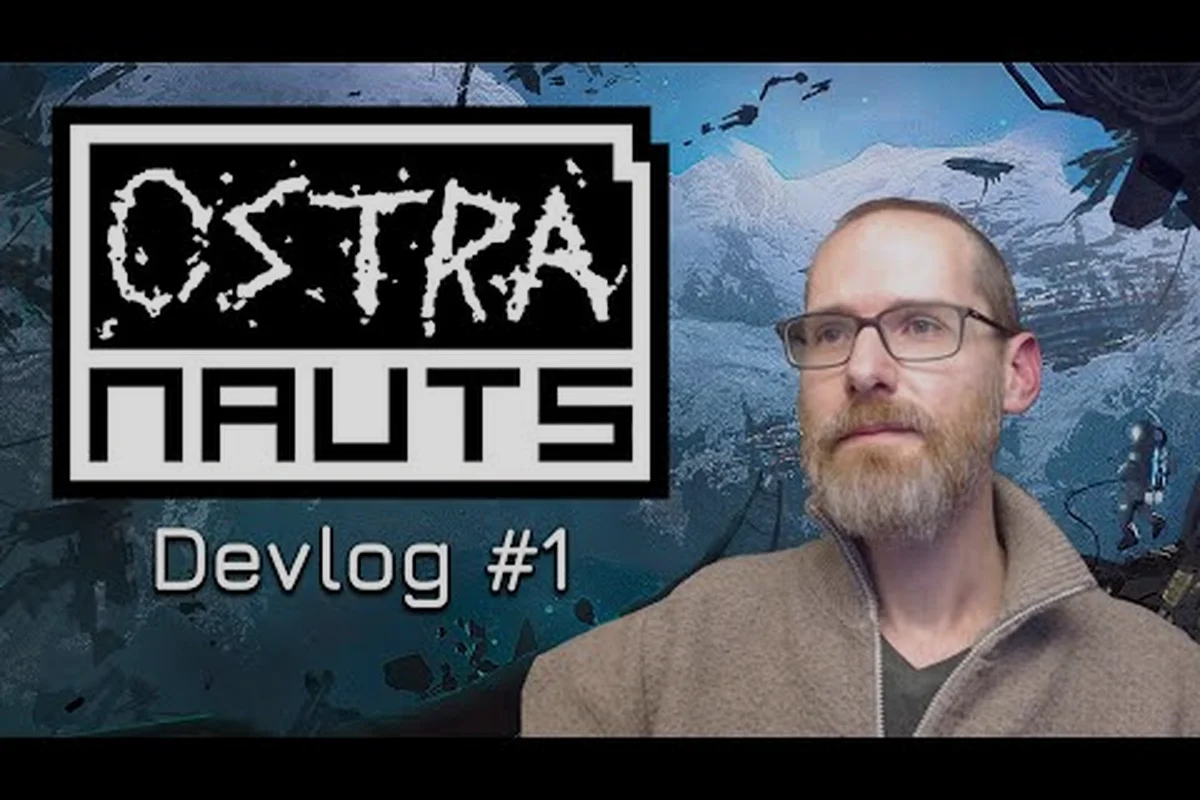
Discover how Ostranauts shares its dystopian universe with NEO Scavenger. Daniel Fedor's two games inhabit the same shattered solar system, and every salvage run you take in Ostranauts is layered on top of the collapse you survived in NEO Scavenger.
Ostranauts and NEO Scavenger: A Shared Universe Overview
When Blue Bottle Games launched Ostranauts on Steam, longtime fans immediately recognized the universe they had been dropped into. The hard-scrabble derelicts drifting around K-Leg station, the debt-ridden salvagers clawing their way out of poverty, and the layered political factions all echo the world that Daniel Fedor first built in NEO Scavenger. The connection between the Ostranauts same universe NEO Scavenger lineage is not a marketing gimmick; it shows up in environmental details, faction names, and the underlying economics that drive every salvage contract.
According to community lore discussions, both games occupy the same dystopian solar system. If you played NEO Scavenger as a lone scavenger picking through ruins on a post-apocalyptic Earth, Ostranauts is the spiritual successor set generations later, when humanity has crawled back into orbit and started rebuilding — barely. For newcomers to the series, the NEO Scavenger universe overview covers the original 2014 title in depth, and our NEO Scavenger connection guide maps the named references side by side.
Players who want hands-on advice for the new game should jump to our Ostranauts beginner walkthrough, which assumes no familiarity with NEO Scavenger lore. The takeaway is simple: every choice you make in Ostranauts — what to salvage, who to trust, which faction to side with — happens in a world shaped by NEO Scavenger's collapse. Understanding that history unlocks a richer experience and explains why so many NPCs act the way they do.
Daniel Fedor's Vision: Connecting Both Worlds
Daniel Fedor, often credited online as dcfedor, founded Blue Bottle Games around one persistent obsession: building a believable, post-collapse solar system where every salvager has to fight for oxygen and credits. NEO Scavenger was the first proof of concept, a turn-based roguelike focused on survival and inventory Tetris. Ostranauts is the second chapter, swapped to real-time with pause and expanded into deep ship management, but built on the same authorial compass.
From NEO Scavenger to Ostranauts
The visual language travels directly. Dirty UI panels, faded CRT-style readouts, and pixel-thick text logs all carry over. So does the writing tone: clipped terminal entries, bitter jokes from NPCs who have seen too much, and moral compromises dressed up as "business decisions." When a crew member in Ostranauts complains about rationing, the cynicism feels descended from the same authorial voice that wrote NEO Scavenger's loner-protagonist monologue.
Shared Creative DNA
Both projects share more than tone. They share a design philosophy: no hand-holding, no quest markers, and a willingness to let the player fail badly. The same philosophy is reflected in permadeath-friendly mechanics that punish careless resource management, inventory weight systems that force players to think before looting, and dialog trees built on earned trust rather than charisma points. The official Ostranauts wiki confirms that the developer treats the two games as a single evolving setting rather than two separate IPs.
| Aspect | NEO Scavenger (2014) | Ostranauts (2021–) |
|---|---|---|
| Genre | Turn-based roguelike | Real-time sim with pause |
| Setting | Post-collapse Earth surface | K-Leg orbit salvage economy |
| Core loop | Scavenge, fight, hide | Salvage, refit, repay loans |
| Tone | Survival horror | Bittersweet noir |
| Developer | Blue Bottle Games (Daniel Fedor) | Blue Bottle Games (Daniel Fedor) |
| Publisher | None (indie self-publish) | Kitfox Games (formerly Modern Wolf) |
| Era of lore | Year 0 of collapse | Generations later, in rebuild |
This table makes the lineage obvious: NEO Scavenger is the origin story, Ostranauts is the ongoing sequel, and the Ostranauts same universe NEO Scavenger connection is structural rather than cosmetic.
Shared Themes and Lore Elements
The Dystopian Solar System
Both games assume humanity nearly wiped itself out and has only partially recovered. NEO Scavenger shows the immediate aftermath on Earth; Ostranauts jumps forward to show what happens when survivors claw their way back to orbital civilization. The solar system is not a hopeful frontier — it is a series of barely-habitable stations and rusting corporate wrecks. Key shared motifs include scarcity economics where oxygen, water, and ammo are the only true currencies, faction politics where megacorps, pirates, and independents compete for scraps, and cultural decay reflected in slang, broken religion, and recycled tech.
Factions and Power Structures
The faction rosters overlap thematically even when names differ. NEO Scavenger's mysterious groups echo in Ostranauts' corporate boards, station unions, and pirate fleets. Community data shows that Ostranauts faction codex entries name-drop pre-collapse brands from the older game, which is the clearest confirmation yet that the lore is one continuous timeline rather than a thematic homage.
| Ostranauts Faction | NEO Scavenger Equivalent | Lore Role |
|---|---|---|
| Corporate Boards | Pre-collapse corporations | Hold old IP and debt claims |
| Pirate Fleets | Warring tribes | Control black markets |
| Station Unions | Survivor councils | Organize labor and rationing |
| Religious Cults | Neo-cults | Fill the power vacuum with faith |
| Independent Salvagers | Lone scavengers | The player archetype |
These echoes matter because they tell players that the power struggles in Ostranauts are not new — they are the same fights NEO Scavenger survivors were losing on the ground, now escalated into orbit.
World-Building Connections and References
Recurring Locations and Place Names
The starting area in Ostranauts, K-Leg station (formally Nnamdi Azikiwe Station, code OKLG), orbits the Jupiter moon Ganymede at coordinates 1036-Ganymed. While NEO Scavenger never visits Jupiter, the moons are repeatedly referenced in environmental storytelling. Salvagers in NEO Scavenger talk about "the ice moons" as a long-term escape plan, and Ostranauts is what happens when some of them actually make it. Other recycled references include boneyard wrecks — a term used in both games for stripped ships — "Old Earth" nostalgia that surfaces in crew chatter, and pre-collapse media preserved as corrupted data shards.
Technology and Cultural Echoes
The tech tree in Ostranauts reads like a sequel set in the same universe. Ships run on patched-together fusion cores, crew quarters are converted cargo bays, and air recyclers wheeze louder than the engines. The aesthetic matches NEO Scavenger's "broken future" vibe almost beat for beat. Players exploring the Getting Started wiki page notice immediately that the first salvage tutorial ships are described as "pre-collapse courier hulls." That single phrase confirms continuity — those hulls were built before the fall that NEO Scavenger depicts, and they are still flying generations later.
| Shared Concept | NEO Scavenger | Ostranauts |
|---|---|---|
| Salvage economy | Lone-scavenger barter | Ship-and-crew salvage contracts |
| Currency | Bottle caps, barter | Credits backed by corporate lenders |
| Death meaning | Permadeath, full restart | Crew death, hire a replacement |
| Knowledge sources | Hidden lore books | Ship logs, NPC gossip, data shards |
| Travel method | Foot traversal of map | Newtonian-physics spaceship flight |
The shift from walking to flying is the biggest mechanical change, but the underlying assumption — every trip might be your last — carries over. That assumption is the emotional throughline that makes the Ostranauts same universe NEO Scavenger connection feel earned rather than forced.
Community Discoveries and Fan Theories
Hidden Easter Eggs
Veteran NEO Scavenger players have combed through Ostranauts codex entries and found recurring phrases: "the long dark," "shelter protocol," "carbon silence." Each phrase appears in NEO Scavenger's environmental storytelling and reappears in Ostranauts crew dialogue or terminal logs. According to community data, none of these phrases appear in any other Daniel Fedor project, which strongly suggests intentional cross-references rather than coincidence.
Other discovered easter eggs include a hidden data shard on the starter ship that references a "Pyralis" event — which fans link to NEO Scavenger's mysterious fire-based faction — terminal entries mentioning "the Hollow Earth surveys," a direct sequel hook to NEO Scavenger's underground zones, and a radio station mod that plays a distorted version of NEO Scavenger's ambient tracks when the player's ship drifts between stations. None of these are flagged in-game as significant, which is exactly why fans love hunting for them.
Speculative Future Crossovers
The community has not yet found a true cameo character from NEO Scavenger, but several NPCs in Ostranauts share first initials and physical descriptions with NEO Scavenger's rogue archetypes. Speculation leans toward Blue Bottle Games planting seeds for a third title that formally bridges the two settings, perhaps a prequel set during the early orbital scramble or a colony ship narrative that finally leaves the solar system. Until then, the shared universe remains a quiet backbone of the experience. New players can ignore it and still enjoy the debt-driven gameplay loop, but lore hunters will find a layered tapestry rewarding close reading.
Frequently Asked Questions
Are Ostranauts and NEO Scavenger set in the same universe?
Yes. Blue Bottle Games and developer Daniel Fedor have built both games inside the same dystopian solar system. NEO Scavenger covers the early post-collapse era, while Ostranauts takes place generations later in the rebuilding orbital era. Shared factions, slang, and recurring phrases confirm continuity across both titles.
Do I need to play NEO Scavenger before Ostranauts?
No, but it helps. NEO Scavenger provides crucial context for the world's history, the origin of the factions you encounter, and the symbolism behind recurring phrases like "the long dark." Players who skip NEO Scavenger can still enjoy Ostranauts as a standalone, but the Ostranauts same universe NEO Scavenger lore layers reward series veterans with extra payoff.
Who develops the Ostranauts same universe NEO Scavenger connection?
Blue Bottle Games, led by founder Daniel Fedor (dcfedor), is the single studio behind both titles. Kitfox Games currently publishes Ostranauts after taking over from Modern Wolf in 2024, but the creative direction remains entirely with Fedor's small team and his long-running shared-world project.
Are there direct crossovers between the two games?
There are no playable crossovers yet, but environmental references are everywhere: shared faction archetypes, recurring terminal phrases, and place names that echo NEO Scavenger lore. Community data suggests Blue Bottle Games is laying groundwork for a future title that may formally bridge the two settings.
Where can I learn more about the Ostranauts same universe NEO Scavenger lore?
The official wiki at ostranauts.wiki.gg is the best primary source. Combine it with community-run lore wikis, fan Discord servers, and the Ostranauts subreddit for ongoing discoveries from players digging through codex entries. Which reference have you spotted first in your own playthrough?